
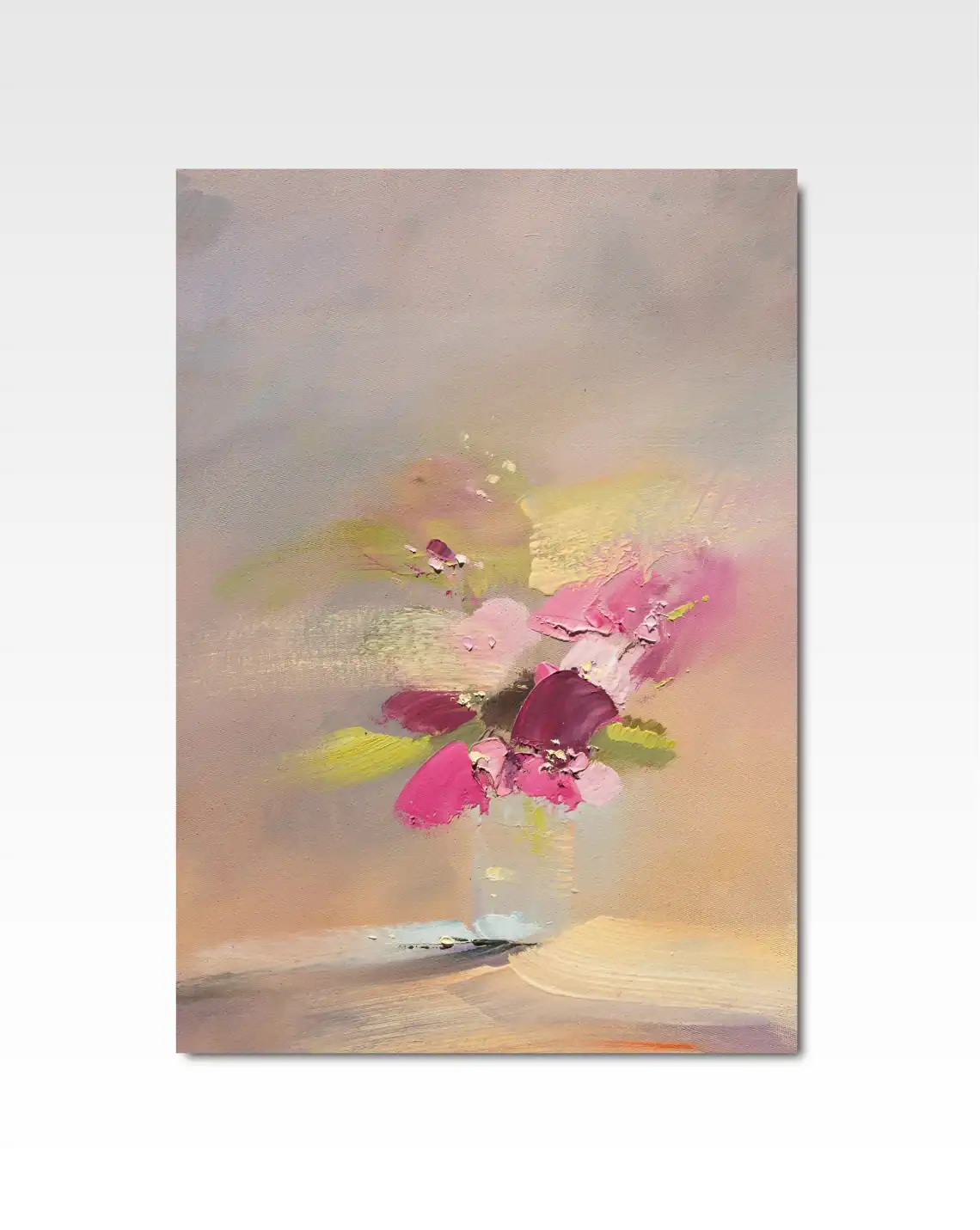
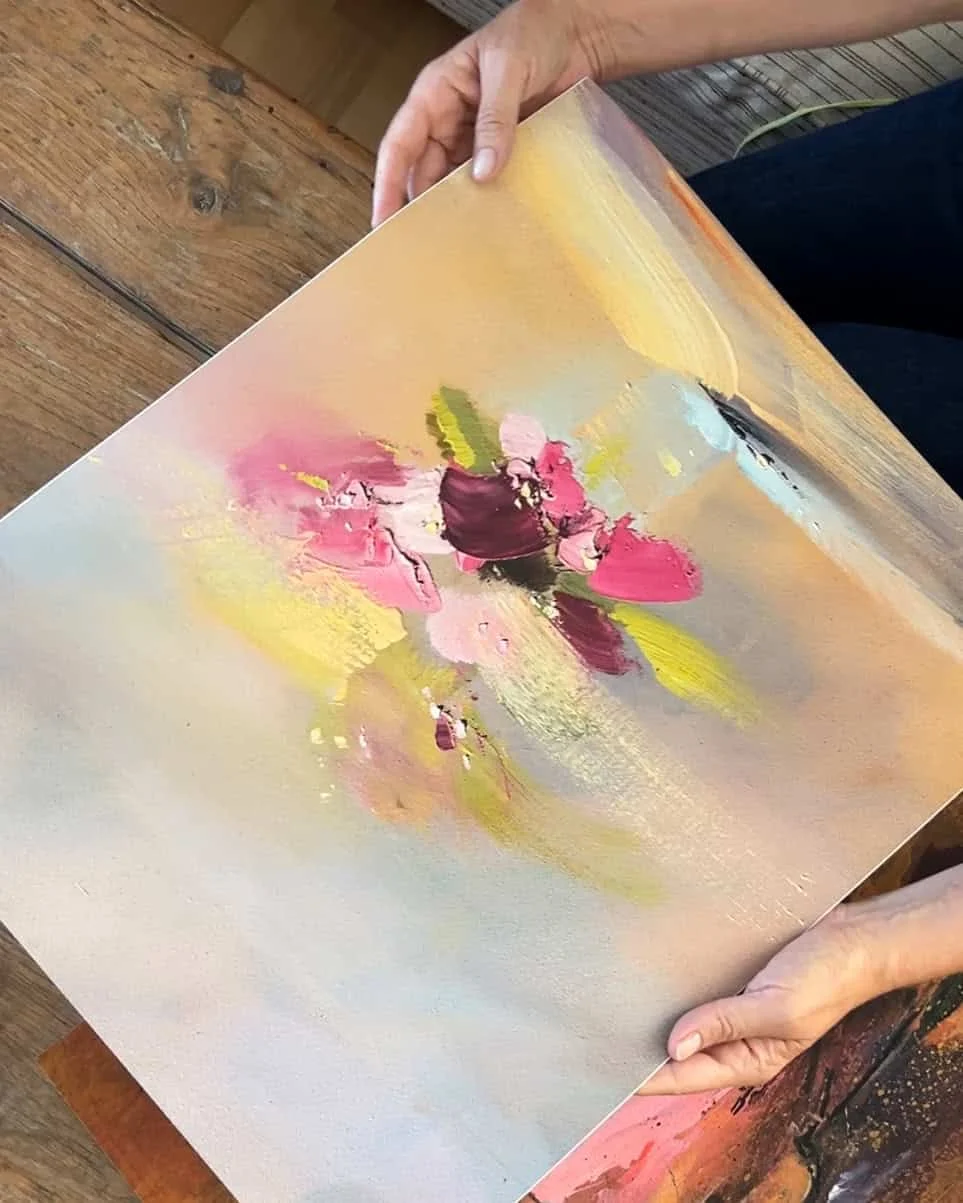
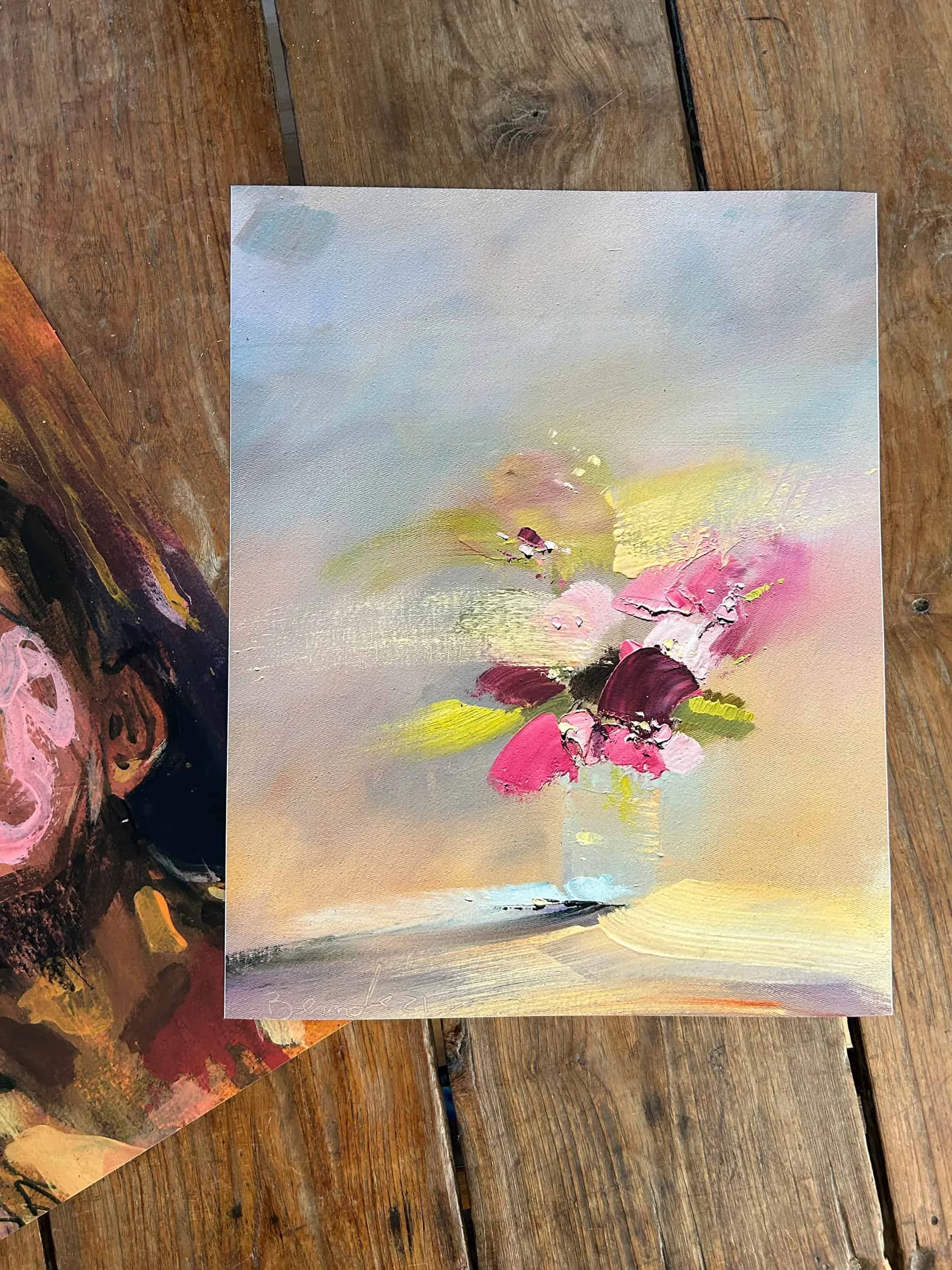
Flores de Papel | Limited Edition Art Print by Bernabé Sedita.
From $ 42.0
Description
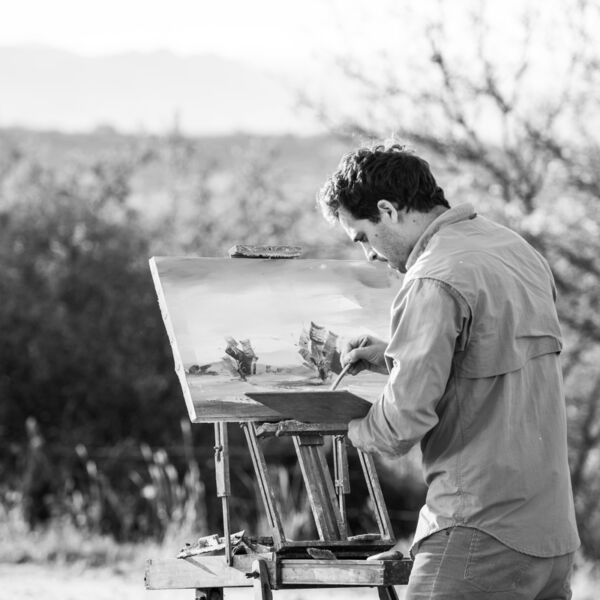
He was born in San Javier, a small pueblo in Córdoba, Argentina — a place where light moves like something alive, where the landscape shifts between amber and violet depending on the hour. Bernabe grew up painting. Not as a choice, but as a language. His father Daniel Sedita was a painter, his mentors were painters, and by the time he was a teenager, he understood that the only way to learn was to leave the studio and chase light across borders.
At sixteen, he traveled the northern reaches of Argentina with the painter Emaus Miciu, watching how landscape becomes feeling. Later, he would follow autumn through the American South — the rust-colored shores of South Carolina, the impossible golds of New York in November. He painted in Colorado. He painted in California. He traveled to Europe not as a tourist, but as an artist hunting for light: the pale cool grayness of London, the diffused gold of Paris, the sharp Berlin light where he met other painters doing the same impossible work.
But Bernabé is not a realist. He is a poet of landscape.
His technique is plein air — yes, he paints outdoors, in the moment, where light is honest and unforgiving. But what emerges on canvas is not a copy. It is a distillation. A feeling made visible. The essence of a place, not its photograph. A lighthouse at golden hour becomes not stone and light, but solitude itself. A valley becomes a meditation on color and time. He doesn’t paint what he sees. He paints what the landscape whispers.
This is why his work lives in homes that matter to people. It’s not decoration. It’s proof that beauty is real, and that someone spent their life learning how to capture it — not perfectly, but truthfully.
Notable Exhibitions: Art Basel Miami (2017), European galleries (London, Paris, Berlin, Barcelona), BADA La Rural de Palermo (2016–2019), Galería Emaus, Quorum Córdoba Hotel